
Thomas Fortoul
Host of the Thinking Tech podcast; helping an EdTech startup at Next.ai, Montréal
Episode with Thomas
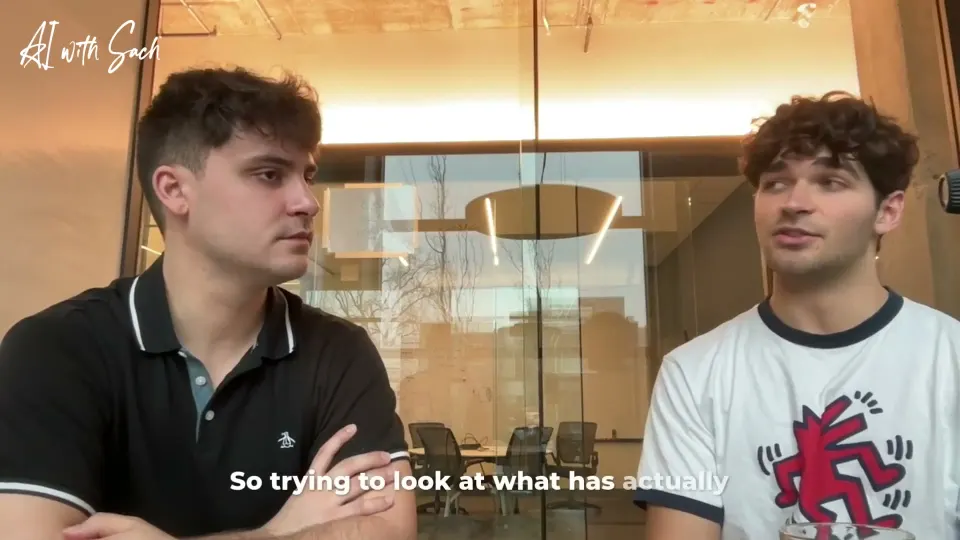 The Creator Economy, EdTech, and AI's Impact with Thomas FortoulThomas Fortoul, host of Thinking Tech, on critical thinking, over-reliance on AI, creators as the new teachers, and education as the lever for the future of work.Thomas FortoulHost of the Thinking Tech podcast; helping an EdTech startup at Next.ai, Montréal
In Thomas’s words
Content creators are the new teachers of the world. Here's why trust is the whole business.
And I think content creators are the new teachers of the world, essentially, but we're creating value for people. And if people find it valuable, you know, they'll trust you. That's the basis for relationship.Nobody forgets how to read. They just stop enjoying it, and that is the real problem.
And the fact that it's less enjoyable makes you less inclined to continue reading. So it's like a negative feedback loop where you just end up doing less of that thing. And therefore, your reading skills just go to go to the dump.Writing is thinking put into words. Outsource one and you weaken the other.
The actual understanding, I think people understand less and not able to write good content, right? It's, it's something I think people will struggle with, because you know, writing is essentially putting your thinking into words. So if you think less, then you probably gonna write worse.What if AI models had to pay you for your data instead of taking it for free?
So when you have a new model that wants to be trained, you'll have your own data, proprietary data, and the model will have to come and ask you and probably pay you for access to that data. Whereas now we're like voluntarily giving it to these models.To follow AI without panic, look at what the printing press and cars actually changed.
So trying to look at what has actually occurred in the past with, you know, tech industrial revolutions, how has it actually affected people? If you think back to, you know, like the printing press, or even like cars, we still walk around where it hasn't removed all of our transportation and all of this.In computer science, everyone wants the same job. Most of us end up following the group.
Very often in my case, studying in computer science, everyone wants to be a software engineer, wants to be data analyst for the most part. And you tend to eventually follow these goals because you're in that same group.In the AI era, philosophers might be the architects. Here is why critical thinkers matter.
I feel like we're entering a time of, uh, almost like where philosophers are going to be very important architects, people that can think critically, because we'll be redesigning the way we work, the way we live.The more people we can reach online, the fewer we trust. That is why creators matter.
You don't have, you know, you can't trust anyone on the internet. And so we don't trust as many people due to the fact there's more we can access. So we end up finding specific people that we have to trust more.Tedious tasks are annoying, but they may also be how we learn.
Cause there's some, uh, some value to doing those mundane tasks. Sometimes, you know, you understand things by going through that hard process, even though it seems kind of tedious and annoying.If you couldn't read or write, history forgot you. AI literacy could be the same.
Something that, you know, if you weren't literate, for example, back then, if you didn't know how to read and write, then people, you know, a hundred years after didn't know about you. There was no historical significance of that.If all you do is paste a prompt, why would anyone hire you instead of ChatGPT?
So it leads to a deterioration of skills, less critical thinking. And so I'm, I'm just thinking there's going to be a big population, big amount of people that, large amount of people that are going to become, you know, bots, bots, essentially, they don't offer any additional advantage than what the you just prompted.Before any AI regulation, people have to talk. Start with your community.
First of all, we have to have conversations. That's the basis. Then, yeah, people have to talk, people have to contribute to their communities. So get involved, first of all.